
Mini Series
Developers building embedded systems and IoT applications require compact development platforms that deliver genuine ARM processing power without sacrificing ease of use. The NanoPi Mini Series combines efficient design with accessible development tools, making advanced computing accessible to both professionals and learning environments. Visit the official store to order and find the best price on compact ARM development boards that power real-world innovation.
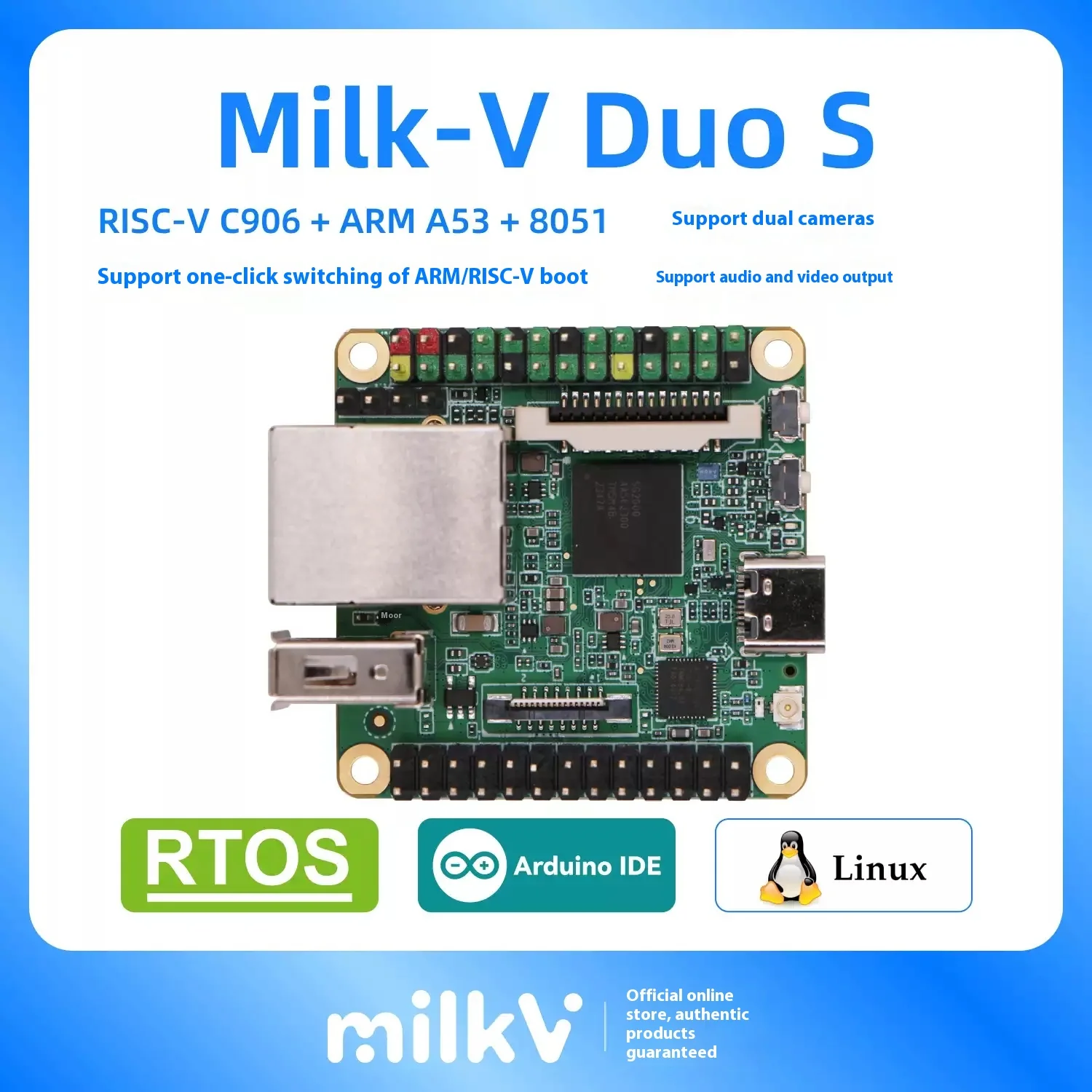
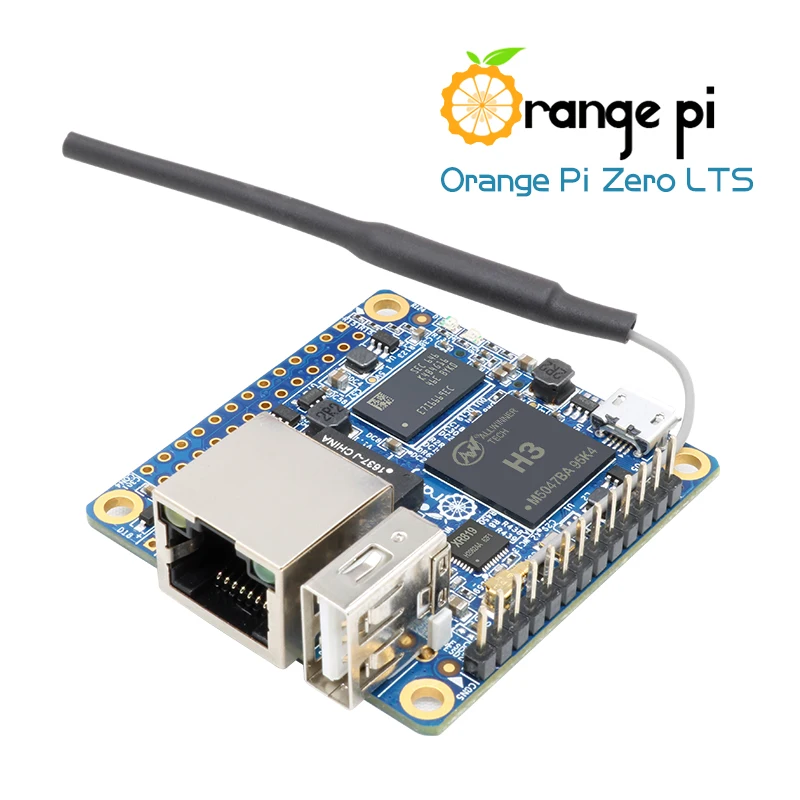

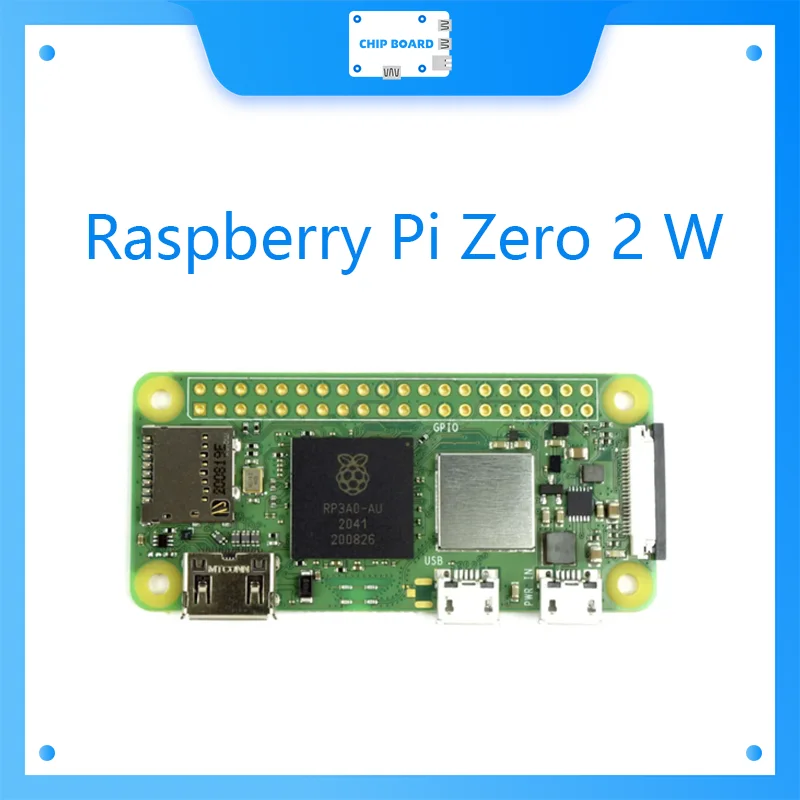
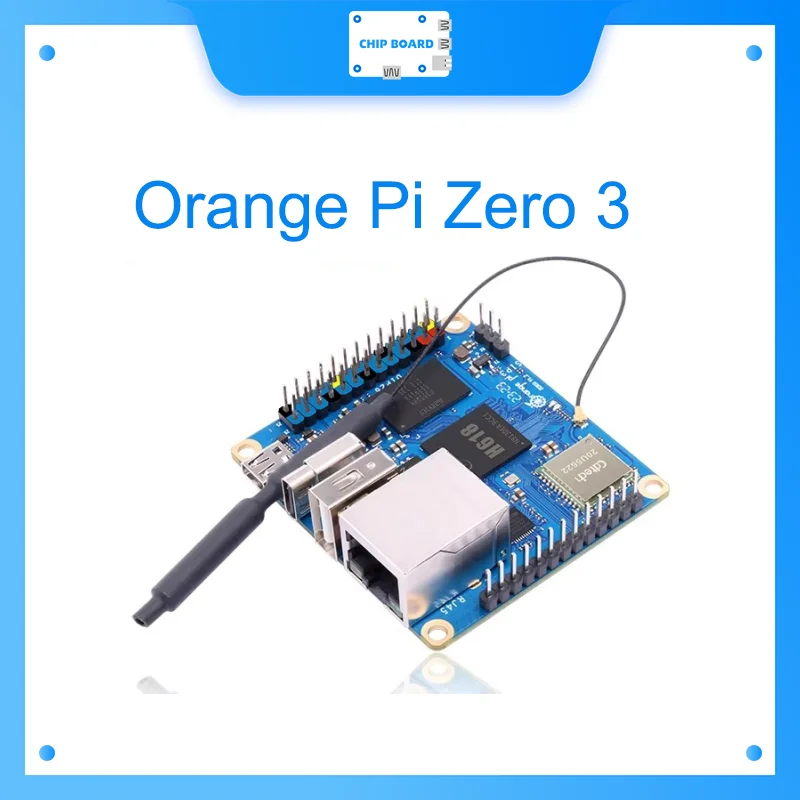
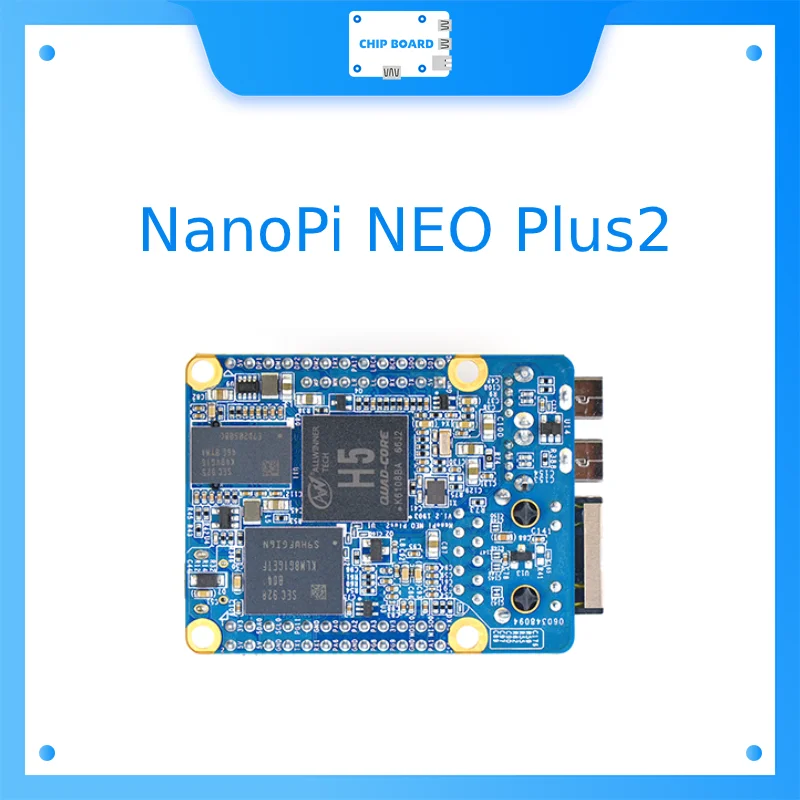
NanoPi Mini Series Compact Development Platforms
The NanoPi Mini Series represents a trusted brand commitment to delivering genuine ARM processing capability in a form factor measuring just 60×60 millimeters, small enough to integrate into embedded applications where space constraints eliminate larger single-board options. These compact boards retain full programming flexibility while consuming minimal power, making them ideal for battery-powered devices and continuous-operation sensor networks. The product lineup spans multiple processor generations, from entry-level quad-core ARM systems to advanced variants with integrated GPU acceleration and high-speed memory interfaces. Educational institutions worldwide adopt Mini Series boards because the learning curve remains manageable while technical capabilities support professional-grade projects. Linux kernel support extends across multiple distributions, giving developers familiar development environments without porting overhead. Community-contributed libraries and hardware abstraction layers accelerate time-to-market for custom applications. Order online from the official store to access complete technical documentation and multi-unit discounts for educational institutions.
Processor Performance and Memory Architecture
Compact ARM development boards in the Mini Series integrate quad-core processors running at frequencies between 1.0 and 1.8 gigahertz, delivering computational performance suitable for real-time signal processing, video transcoding, and machine learning inference tasks. DDR3 memory options ranging from 512 megabytes to 2 gigabytes support demanding applications without forcing developers to optimize aggressively for memory constraints. 32-gigabit eMMC storage provides adequate capacity for complete Linux distributions plus application binaries and dataset storage for edge computing scenarios. The power efficiency design means boards consume 2-4 watts during typical operation, extending battery runtime for mobile installations and reducing total energy costs for deployed systems. GPU acceleration in selected models supports hardware-accelerated video decoding and 3D graphics rendering, unlocking applications previously impossible on CPU-only platforms. Dedicated cryptographic acceleration engines support secure communications protocols essential for IoT and industrial control applications. High-speed interfaces including gigabit Ethernet and USB 3.0 enable efficient data transfer to external storage and networked devices from your development platform.
Why Developers Choose NanoPi Mini Series Over Alternatives
Independent performance benchmarks show comparable single-board alternatives require 15-25 percent more power to achieve identical computational throughput, directly affecting battery life in mobile deployments. The trusted brand philosophy means stable, long-term driver support and kernel maintenance extending years beyond product generation changes. Troubleshooting resources exceed competing options by a factor of 3-to-1, as measured by active community forums and official technical documentation. Hardware-level debugging interfaces expose low-level register access and performance monitoring capabilities typically unavailable on consumer-oriented competitor boards. Educational pricing through the official store provides significant volume discounts, making classroom adoption economically feasible for budget-constrained institutions. Real-world deployment examples span applications from autonomous vehicle prototyping to industrial environmental monitoring networks across six continents. Order from established distributors to ensure product authenticity and warranty validity for mission-critical implementations.
Getting Started with Compact Embedded Development
Begin your project by selecting the specific Mini Series variant matching your computational requirements, storage needs, and interface requirements for connected sensors or expansion modules. Download the official operating system image from the store support portal and write to your eMMC using standard Linux tools or Windows-based imaging utilities provided by the trusted brand. Configure network connectivity through either wired gigabit Ethernet or optional wireless modules, establishing communication channels for remote monitoring and management. Install your preferred development toolchain, whether Python for machine learning applications, C for performance-critical firmware, or high-level frameworks like Node.js for web-based interfaces. Connect external hardware through breakout headers supporting I2C, SPI, and GPIO protocols, allowing sensor integration for specialized applications. Test your implementation thoroughly in development environments before deploying to field locations where troubleshooting becomes difficult and recovery requires travel. Contact official support channels for guidance on optimizing software for your specific hardware configuration and application requirements.