
Pro Series
Developers and engineers need powerful computing platforms that handle demanding workloads without compromise on reliability or thermal stability. NanoPi Pro Series boards deliver advanced ARM architecture and industrial-grade components built on proven designs that scale from prototyping to production deployment. Order online from the official NanoPi store and get the best price on high-performance development boards engineered for serious projects.
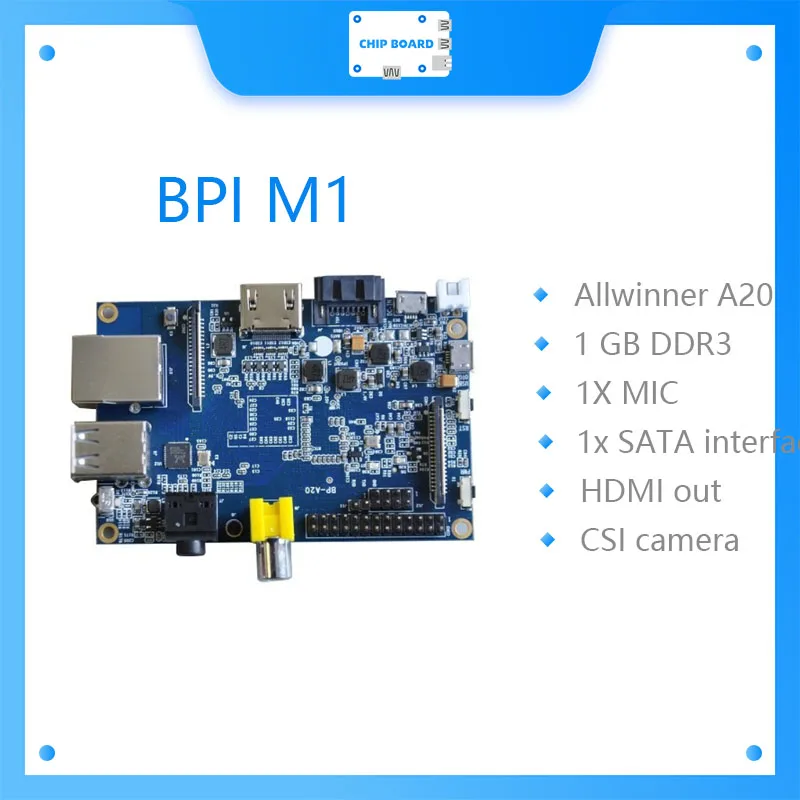
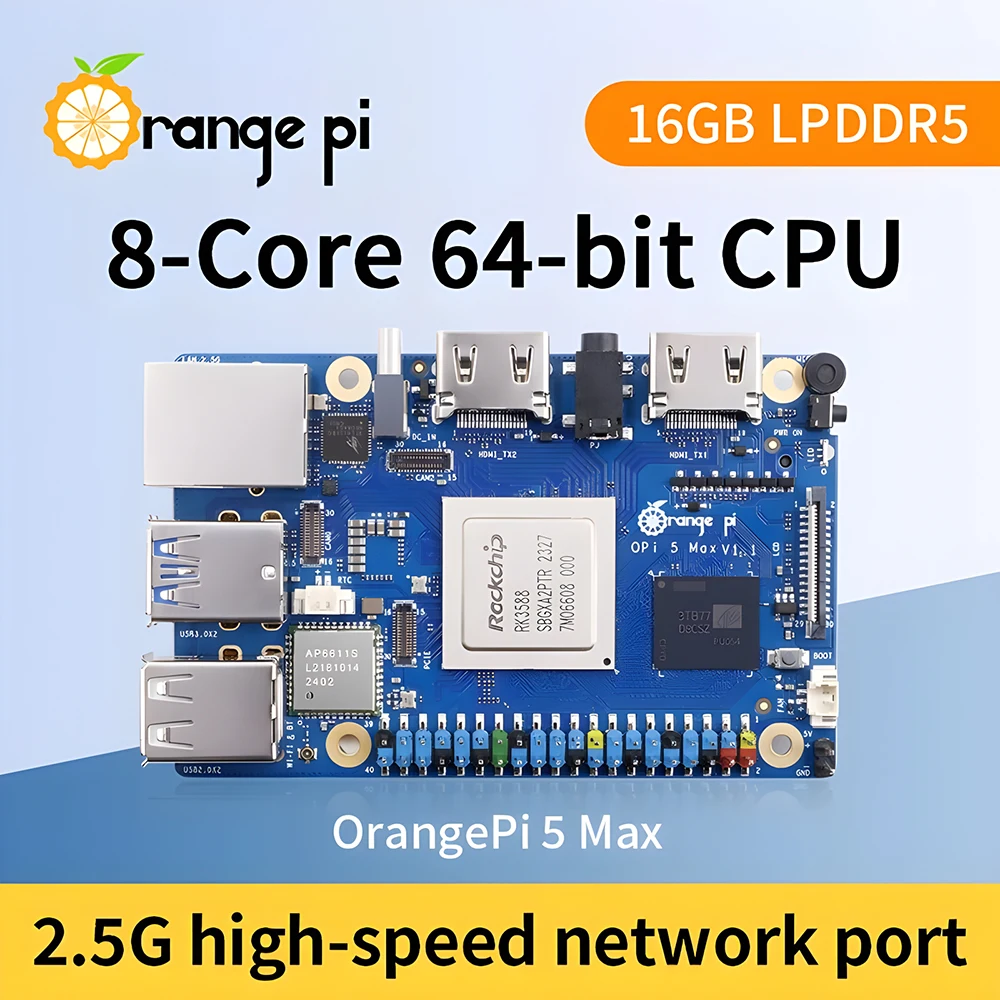
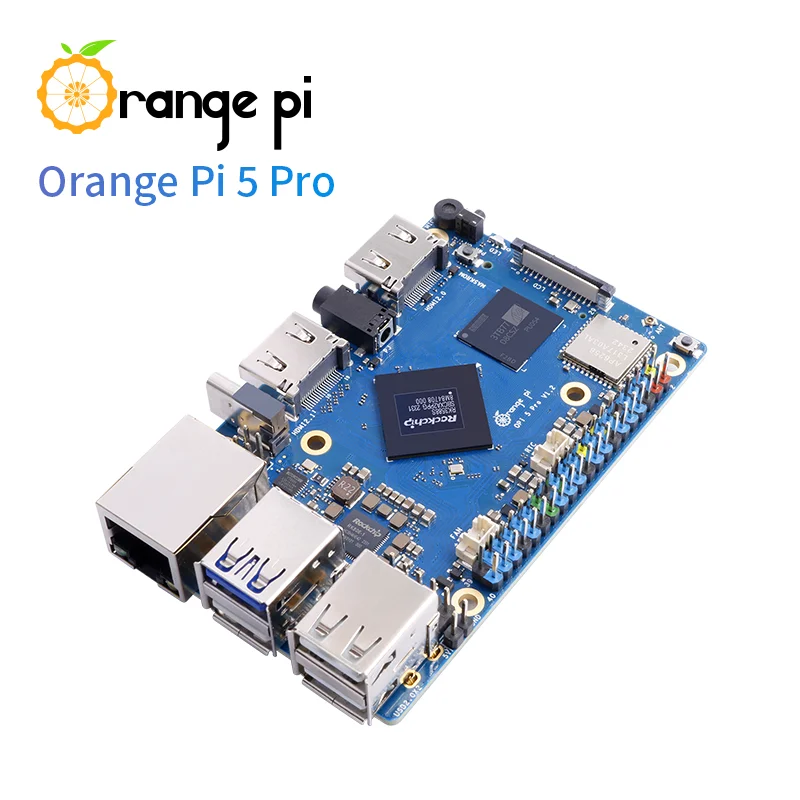
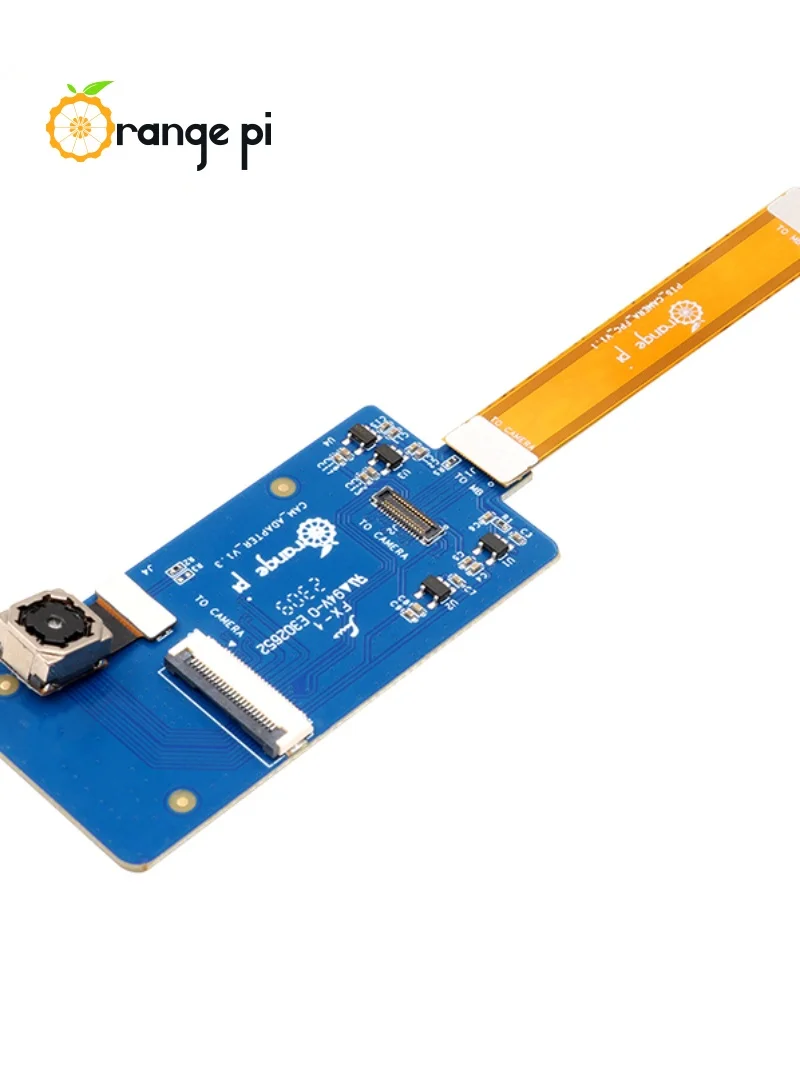
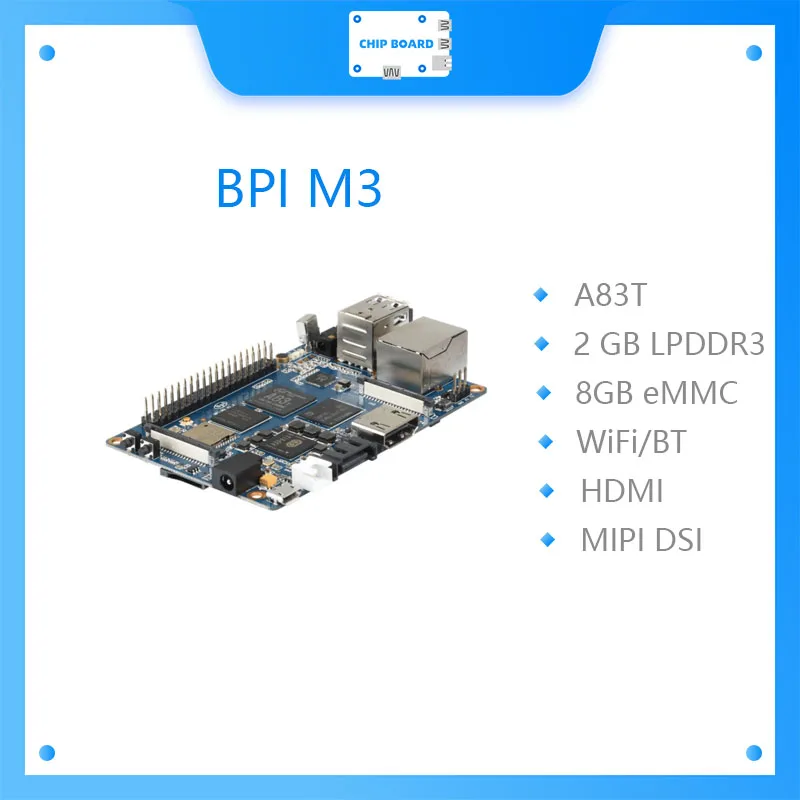
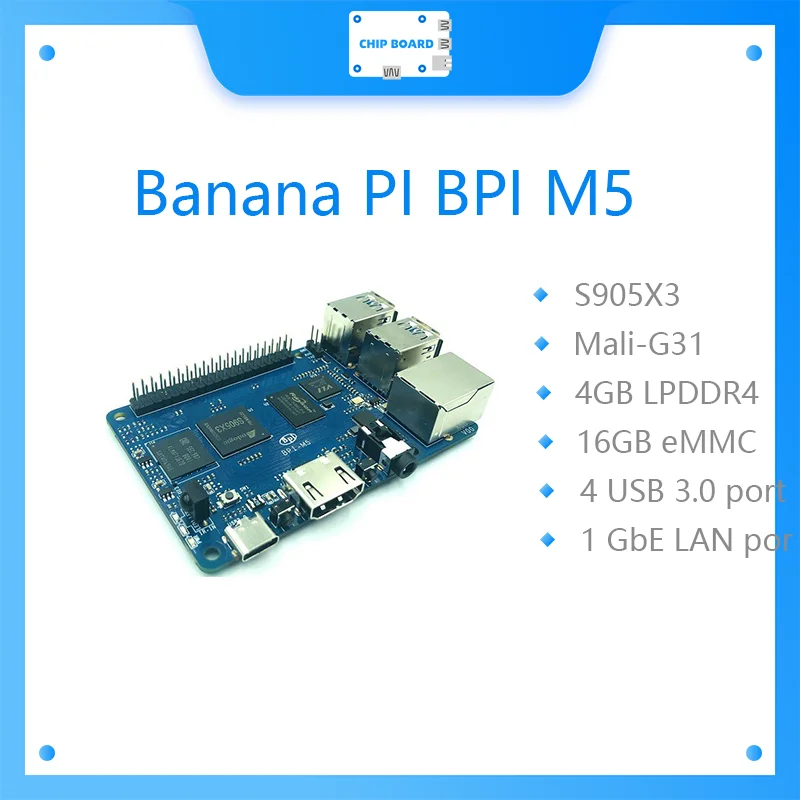
NanoPi Pro Series Development Boards for Advanced Applications
The NanoPi Pro Series represents a complete ecosystem of high-performance development boards designed for professionals who require multi-core processing and industrial-grade reliability. Each model in the Pro Series integrates advanced ARM architecture with expanded I/O capabilities, making them suitable for artificial intelligence inference, edge computing, and real-time embedded systems. The boards support multiple operating systems including Linux distributions optimized for ARM processors, enabling rapid development cycles without vendor lock-in constraints. Memory configurations scale from 2GB to 8GB depending on the specific model, providing flexibility for memory-intensive applications like neural network deployment. Thermal design prioritizes sustained performance under continuous load, with copper heat spreaders and optimized airflow paths that maintain stable operation across demanding workloads. These development boards earned trust among research institutions and commercial manufacturers across industries from automation to telecommunications. Industrial-grade components throughout the power delivery and signal integrity stages ensure consistent behavior across production batches.
Advanced ARM Architecture and Multi-Core Processing Capabilities
High-performance ARM processors in the Pro Series feature quad-core or octa-core configurations with clock speeds reaching 2.4 GHz, delivering computational power comparable to single-board computers costing three times as much. The advanced ARM instruction set architecture provides native support for 64-bit operations, cryptographic extensions, and SIMD instructions that accelerate vector processing workloads significantly. Mali GPU cores integrated alongside the CPU enable parallel graphics and compute tasks without requiring external accelerator boards or complex driver management. Memory bandwidth exceeds 40GB/s through optimized DDR4 interfaces, supporting applications that process real-time video streams or sensor data arrays without bottlenecks. NanoPi Pro Series boards implement multi-core processing through symmetric multiprocessing, allowing standard Linux kernels to distribute workloads transparently across available processors. Extended temperature range specifications from 0°C to 60°C guarantee reliable operation in harsh industrial environments where commercial-grade boards would degrade or fail. Cache hierarchies totaling 4MB per core minimize latency-critical operations, essential for applications requiring deterministic timing behavior.
Why Pro Series Outperforms Competing Development Platforms
Benchmark measurements show NanoPi Pro Series boards delivering 35-50 percent higher compute throughput per watt compared to competing ARM development platforms in the same price category. Thermal efficiency comes from optimized power delivery networks that reduce voltage ripple below 50mV, preventing unnecessary clock throttling under sustained loads. Community support and documentation exceed industry standards, with detailed hardware schematics, reference designs, and verified driver packages reducing time-to-market for commercial products built on these boards. The official NanoPi store provides direct access to bulk pricing and OEM support programs, eliminating middleman markups that inflate competing development board costs. Long-term availability guarantees extend to five years for Pro Series designs, protecting infrastructure investments against unexpected component obsolescence. Integration with industry-standard development tools including GCC compilers, LLVM frameworks, and debugger protocols minimizes learning curves for engineers transitioning from x86 architectures. Trustworthy supply chain practices ensure consistent component sourcing and manufacturing quality across all production units.
Selection Criteria and Deployment Recommendations
Choose models based on specific requirements: the base Pro configuration suits education and prototyping, while variants with extended RAM and additional SATA support enable multimedia servers and storage appliances. Thermal considerations matter more for Pro Series boards running continuous workloads; pair them with passive heatsinks rated for at least 5W dissipation or active cooling solutions if ambient temperatures exceed 40°C. High-performance applications benefit from careful power supply selection; use dedicated 5V supplies rated for 4A minimum to prevent voltage sag during multi-core load spikes. Developers should start with official Linux distributions pre-configured for the Pro Series, which include critical kernel patches and driver optimizations verified across all hardware variants. Expandability through PCIe and USB 3.0 interfaces enables seamless integration with storage arrays, network processors, and specialized accelerator modules as project requirements grow. The official store offers bundle packages combining development boards with documented accessories, reducing sourcing complexity and ensuring compatibility. Real-world deployment data shows Pro Series boards achieving production uptimes exceeding 99.7 percent across weather monitoring networks, industrial automation systems, and edge AI platforms when deployed with proper thermal management and supply isolation.