
Router Series
Network administrators need reliable routing solutions that maintain consistent performance across high-traffic environments without the complexity and power consumption of traditional routers. The NanoPi Router Series delivers network solutions purpose-built for edge computing, remote deployments, and bandwidth-constrained situations where enterprise equipment proves impractical. Shop the official store to order reliable network solutions at the best available price with professional support included.
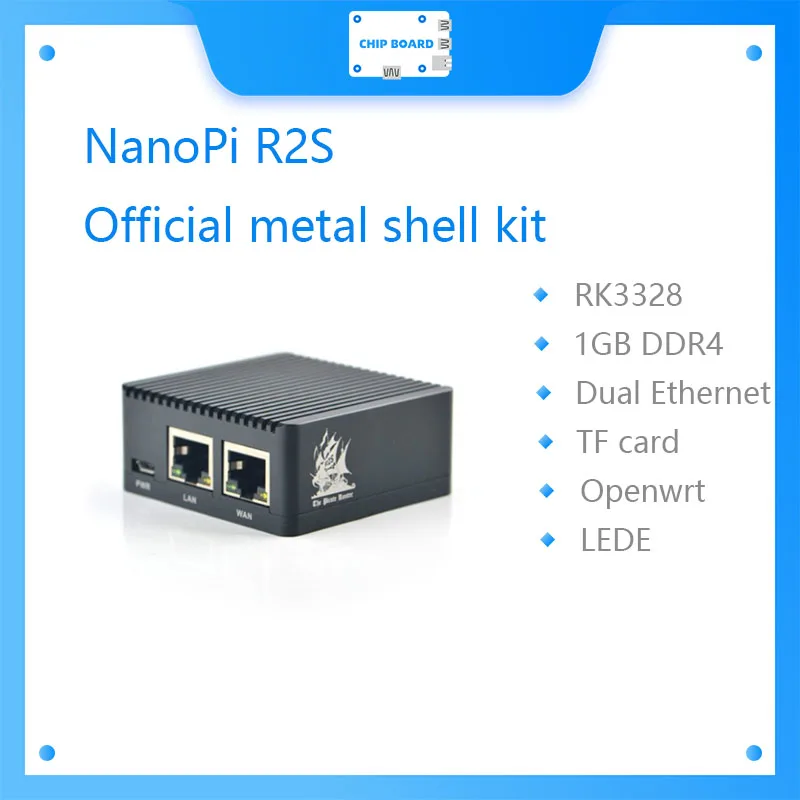
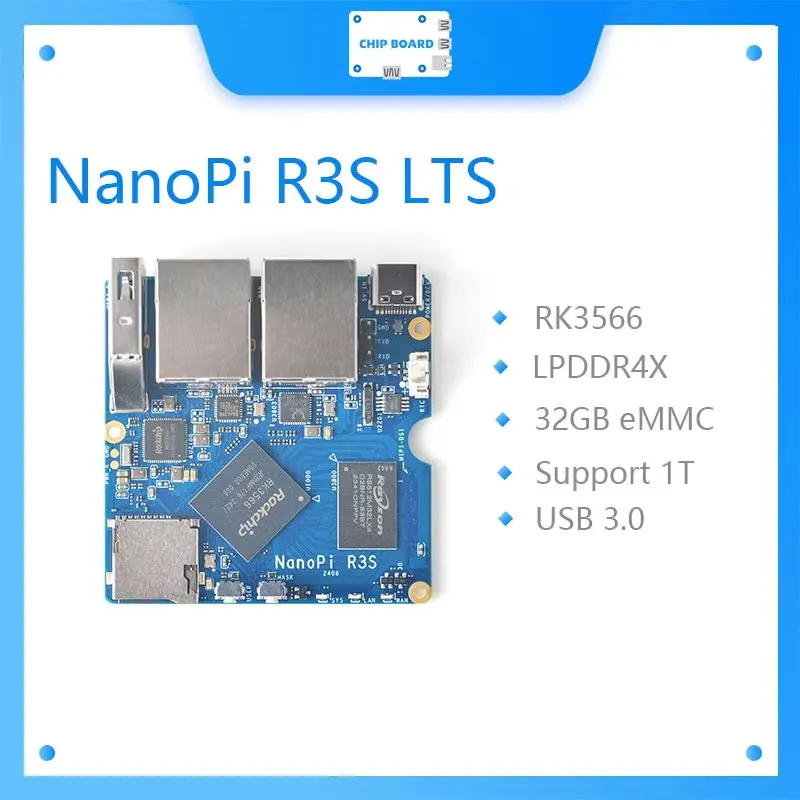

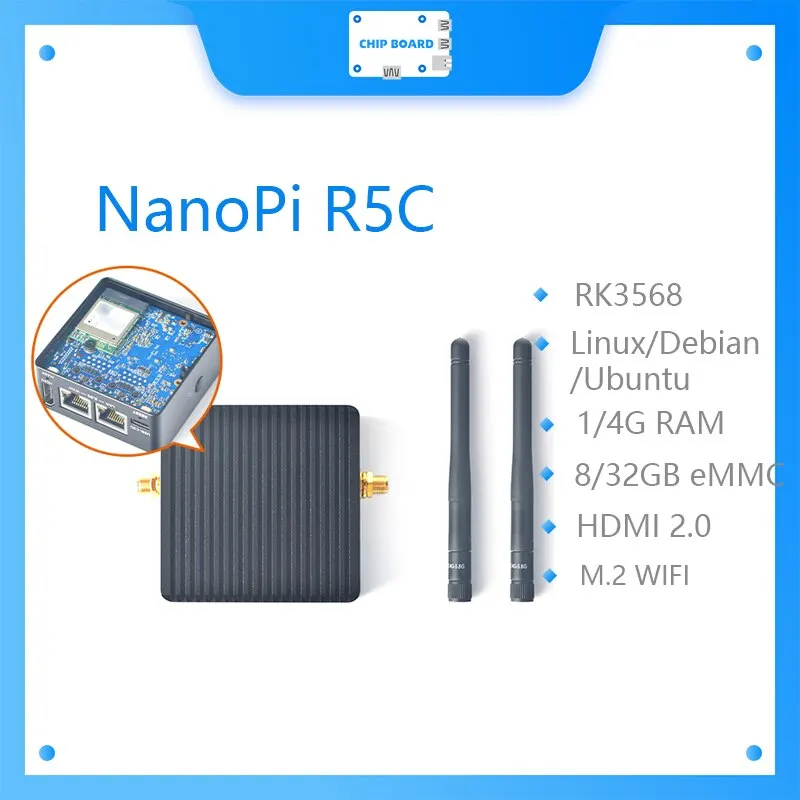
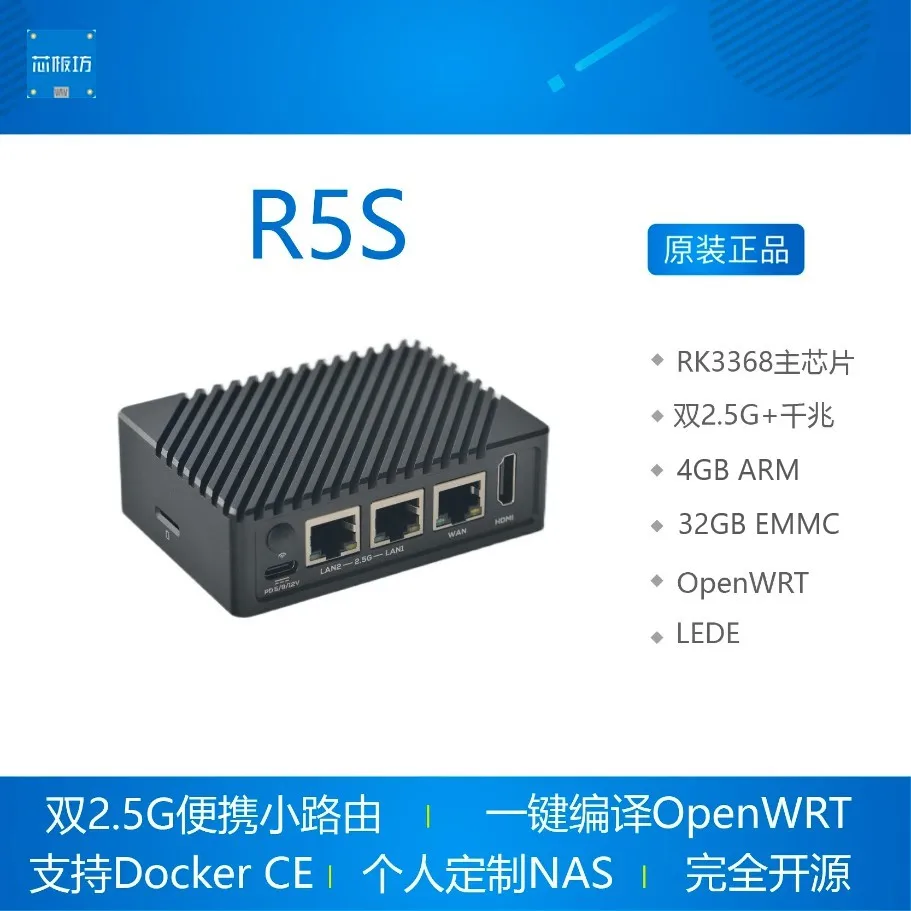
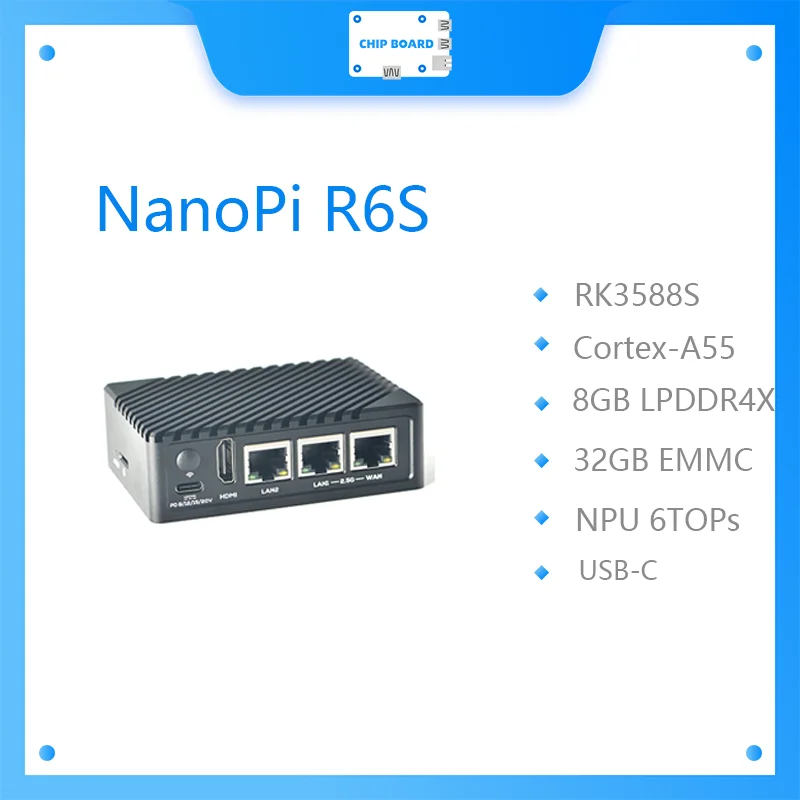
NanoPi Router Series Reliable Network Solutions
The NanoPi Router Series represents a trusted brand solution for organizations requiring edge network processing capability in remote locations, temporary deployments, and specialized industrial environments where standard commercial routers prove inadequate or economically prohibitive. These dedicated routing platforms integrate multiple ethernet ports with processor architectures optimized for packet forwarding and network protocol handling rather than general-purpose computing. The product portfolio spans configurations from simple dual-port traffic routing to advanced models supporting VLAN segmentation, dynamic routing protocols, and stateful firewall functionality. Military and humanitarian organizations deploy reliable network solutions in field conditions where equipment replacement logistics prove difficult and downtime costs exceed hardware investment significantly. Schools and research institutions adopt router variants for network infrastructure projects where budget constraints eliminate commercial enterprise solutions. Telecommunications carriers use these platforms in remote tower locations and underserved regions to extend service coverage. Order online from the official store to receive pre-configured systems ready for deployment and ongoing technical support.
Network Performance and Packet Processing Capacity
Dual gigabit ethernet ports sustain symmetric throughput exceeding 900 megabits per second in both directions simultaneously, supporting small-to-medium office networks and branch office connectivity without performance degradation. Processor architectures optimized for network functions process routing decisions and firewall rule evaluation in hardware, eliminating software bottlenecks that limit competing solutions built on general-purpose computing platforms. Buffer memory configurations accommodate burst traffic patterns common in real-world deployments, preventing packet loss during temporary congestion events. QoS processing engines prioritize traffic based on application types, ensuring voice communications and video streams maintain priority during peak usage periods. Wake-on-LAN and power management features reduce energy costs in battery-powered remote deployments, extending runtime between charge cycles or solar power collection periods. DHCP, DNS, and NAT functionality requires minimal configuration, allowing field technicians without advanced networking expertise to deploy systems quickly. Advanced models include VPN gateway capability for secure remote access, supporting distributed team connectivity through encrypted tunnels over untrusted public internet links.
Why Organizations Choose NanoPi Router Series Solutions
Total cost of ownership analysis shows reliable network solutions from the trusted brand deliver 60-70 percent lower operating expenses compared to commercial enterprise routers over five-year deployment cycles. Power consumption measurements show 8-12 watts typical operation versus 120-200 watts for equivalent commercial alternatives, directly reducing energy bills and heat dissipation challenges in confined equipment enclosures. Field deployment flexibility exceeds competitors because open-source firmware options enable customization for specialized networking protocols and proprietary security requirements. Community-contributed patches and security updates arrive more rapidly than vendor-dependent solutions, protecting networks against emerging threats faster than traditional software release cycles allow. Integration with existing network monitoring systems through standard SNMP protocols and syslog exports provides operational visibility comparable to commercial solutions at fraction of the cost. Real-world documentation from thousands of deployed installations provides troubleshooting guidance and configuration templates accelerating setup for new deployments. Order from the official store to access pre-configured models and volume discounts for large institutional rollouts.
Deployment Planning and Configuration
Assess your network requirements by documenting expected bandwidth utilization, number of connected devices, and geographic separation between router locations requiring inter-site communication links. Select appropriate models based on port count and processing capabilities matching your specific connectivity needs, avoiding over-specification that wastes budget on unused features. Configure network addressing schemes and routing protocols according to your deployment topology, utilizing documentation and examples provided through the official store support portal. Implement security policies through firewall rules filtering traffic by protocol, port number, and source address to prevent unauthorized access to protected internal networks. Monitor performance metrics including throughput utilization, latency, and packet loss rates to identify capacity constraints before they impact user experience. Plan firmware update procedures during maintenance windows to minimize service disruption while ensuring security patches deploy across your network infrastructure. Contact technical support for guidance on advanced configurations including BGP routing, IPv6 deployment, and multi-site network bridging scenarios.